
Language
Views: 0 Author: Site Editor Publish Time: 2026-04-22 Origin: Site


In the world of night vision technology, the image intensifier tube (IIT) is at the heart of the system, enabling users to see in environments with very little light. From surveillance and security to search and rescue operations, image intensifier tubes play a crucial role in helping individuals and organizations operate effectively in the dark. This article will explore the various types of image intensifier tubes, including their features, generational differences, and real-world applications. Additionally, we will guide you through the key specifications that should be considered when selecting an image intensifier tube for specific needs. Understanding these tubes will not only improve your equipment's performance but also help you choose the right IIT for your requirements.
An image intensifier tube is a device used to enhance low-light images, making them visible to the human eye. The technology behind IITs involves the conversion of available light into a visible image through several critical components:
Photocathode: This component is responsible for converting incoming light (photons) into electrons. The more light it captures, the better the resulting image will be.
Microchannel Plate (MCP): The MCP amplifies the electrons produced by the photocathode. This amplification increases the number of electrons, which ultimately increases the intensity of the image.
Phosphor Screen: The final stage occurs when the amplified electrons strike the phosphor screen, causing it to emit visible light. This light is then converted into an image that can be viewed by the user.
These tubes come in various generations, each with distinct performance characteristics that cater to different operational needs.
When choosing an image intensifier tube, it’s important to understand the difference between the various generations available. The performance of these tubes directly impacts the effectiveness of night vision systems.
Gen2+ tubes are a significant improvement over their predecessors, offering a good balance between performance and price. They are built using multi-alkali photocathodes, which are effective in converting light into electrons. This makes them suitable for many applications that require a reliable but cost-effective solution for low-light vision.
Security Surveillance: These tubes are commonly used in security cameras for monitoring areas at night. The image quality is clear enough to identify individuals or objects, making them ideal for perimeter monitoring.
General Night Vision: Whether it’s for personal use or general observation, Gen2+ tubes offer adequate performance for most night vision devices such as monoculars, binoculars, and night scopes.
Figure of Merit (FOM): The FOM is an important factor in determining the tube’s quality. For Gen2+ tubes, the FOM is typically moderate, making them suitable for general applications.
Resolution: Gen2+ tubes offer moderate resolution, sufficient for most security and recreational activities.
At the higher end of the spectrum are Gen3 tubes. These tubes utilize Gallium Arsenide (GaAs) photocathodes, a cutting-edge material that significantly enhances the sensitivity of the tube, especially in near-infrared (NIR) light. Gen3 tubes are designed to provide superior performance in extremely low-light environments, enabling users to see with remarkable clarity even when there is almost no visible light.
GaAs photocathodes are highly sensitive to light, enabling Gen3 tubes to produce brighter and clearer images than lower-generation tubes. The higher the sensitivity, the better the tube can function in pitch-dark environments, making it perfect for demanding applications.
Search and Rescue (SAR): In search and rescue operations, clarity and accuracy are paramount. Gen3 tubes are ideal because they provide superior performance in total darkness, allowing rescuers to see clearly in dense forests or open seas at night.
Scientific and Military Applications: For military reconnaissance or scientific exploration, where detail and clarity are vital, Gen3 tubes provide high-end sensitivity and enhanced image quality.
Tube Type | Photocathode | Sensitivity | Typical Use | Benefits |
Gen2+ | Multi-alkali | Medium | Security surveillance, general night vision | Cost-effective, good balance of price and performance |
Gen3 | GaAs | High | SAR, scientific & extreme low-light | High sensitivity, superior performance in near-total darkness |
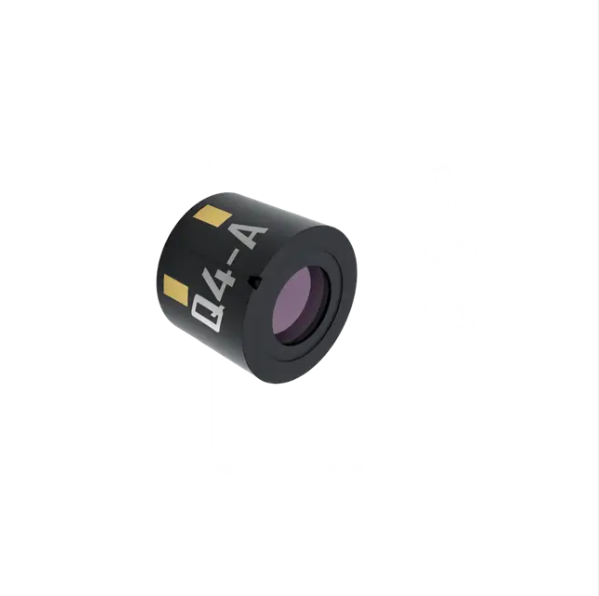
Different image intensifier tubes perform optimally in various applications. Choosing the right tube for the job can make a significant difference in both performance and efficiency. Below, we examine some of the most common uses for both Gen2+ and Gen3 tubes.
For most security applications, a reliable and cost-effective solution is necessary. Gen2+ tubes provide sufficient performance for monitoring at night, such as guarding a perimeter or surveillance of high-risk areas. While they may not provide the ultra-high sensitivity of Gen3 tubes, Gen2+ tubes are still effective in environments with some ambient light.
Gen2+ tubes: Ideal for routine security applications, providing clear images in environments with low but not zero light.
Gen3 tubes: Used for high-risk areas where the environment may be pitch black and every detail matters.
In SAR operations, where time is critical and visibility is minimal, having high-quality night vision equipment is essential. Gen3 image intensifier tubes provide the clarity and detail required for effective SAR operations. These tubes allow rescue teams to locate missing persons in complete darkness, whether in dense woods, remote areas, or at sea.
Gen3 tubes: Their high sensitivity to near-infrared light is what makes them the best choice for SAR applications. The superior performance in low light allows rescue workers to detect people or objects in challenging conditions.
For outdoor enthusiasts or wildlife researchers, night vision devices equipped with Gen2+ tubes are sufficient for general observation. However, when it comes to studying nocturnal animals or navigating in total darkness, Gen3 tubes can provide a significant advantage.
Gen2+ tubes: Suitable for those who require basic night vision capabilities for general outdoor activities like camping, hiking, or birdwatching.
Gen3 tubes: Perfect for professional wildlife observers or researchers who need to track animals in total darkness or navigate through challenging terrains at night.
The performance of a night vision device is largely influenced by the quality of the image intensifier tube used. Choosing the right tube ensures that the device will provide clear, reliable images, even in extremely low-light conditions.
Clarity: The higher the generation of the IIT, the clearer and sharper the image. Gen3 tubes, for instance, provide significantly sharper images, which is crucial for high-stakes situations like military operations or SAR.
Detection Distance: The sensitivity of the tube determines how far one can see in low light. Gen3 tubes have superior sensitivity, making them ideal for detecting objects at greater distances.
Reliability: Higher-end tubes, such as Gen3, are more reliable and provide stable images, even in extreme low-light conditions, making them essential in military, scientific, and emergency situations.
The Figure of Merit (FOM) is a critical factor when selecting a tube for demanding applications. FOM is the product of the tube’s resolution and signal-to-noise ratio (SNR), and a higher FOM indicates better overall performance. In high-stakes operations, where precision is critical, high-FOM tubes are the ideal choice. They offer clearer images and greater reliability, ensuring that users can perform their tasks with confidence.
Choosing the right image intensifier tube for your application is crucial for ensuring optimal performance in low-light conditions. Whether you require a cost-effective solution for basic security surveillance or need the highest possible sensitivity for search-and-rescue operations, understanding the differences between Gen2+ and Gen3 tubes will help you make an informed decision.
At QCNV, we specialize in providing high-performance image intensifier tubes designed to meet the needs of a variety of applications. Whether you’re looking for a tube for security, military operations, or outdoor exploration, our products offer the clarity, sensitivity, and reliability you need. With a range of options, including both Gen2+ and Gen3 tubes, we can help you find the ideal solution for your night vision system.
For more information on our products or to discuss your specific requirements, contact us today. We are here to provide the best optical solutions for your needs.
1. What is the difference between Gen2+ and Gen3 image intensifier tubes?
Gen2+ tubes offer a good balance of performance and cost, suitable for general night vision and surveillance. Gen3 tubes provide superior sensitivity and clarity, making them ideal for military, search, and rescue operations.
2. How do image intensifier tubes work?
Image intensifier tubes convert ambient light into a visible image by amplifying the light through a photocathode, microchannel plate, and phosphor screen.
3. Can Gen2+ tubes be used for military applications?
While Gen2+ tubes can be used for some military applications, Gen3 tubes are recommended for high-precision and high-sensitivity operations, such as reconnaissance and tactical missions.
4. Why is the Figure of Merit (FOM) important?
FOM is a measure of an image intensifier tube’s overall performance. A higher FOM indicates better image clarity and sensitivity, which is essential for demanding environments like military operations or search-and-rescue missions.


