
Language
Views: 0 Author: Site Editor Publish Time: 2026-04-29 Origin: Site


Choosing the right image intensifier tube (IIT) is critical when investing in night vision technology for professional use. Whether you're part of a security team, search-and-rescue operation, or outdoor enthusiast, selecting the right IIT can make a huge difference in performance. With the right knowledge, you can make an informed decision that suits your needs and budget. This buying guide will help you understand the different types of image intensifier tubes, the key metrics to consider, and how these tubes impact the overall performance of your night vision system.
An image intensifier tube is the core component of most night vision systems. It works by amplifying available light, including near-infrared light, to create a visible image. The technology behind IITs involves several key components, including the photocathode, microchannel plate (MCP), and phosphor screen. Understanding how these components work together is essential for selecting the right IIT for your application.
The primary role of an image intensifier tube is to convert the very small amounts of light available at night (even infrared light) into visible images. Without this key component, night vision devices would be unable to operate. The IIT works by using the light captured by the lens, converting it into an electron stream, amplifying the electrons, and finally turning them into visible light on a phosphor screen. The quality of the IIT, including its generation and design, plays a major role in the clarity, range, and overall effectiveness of night vision systems.
The clarity of the image generated by an IIT is a direct result of its resolution and sensitivity to light. A higher-quality tube can capture more light, producing a clearer image. Range is determined by how far an IIT can detect objects in low-light conditions. For instance, a higher-sensitivity tube allows for longer detection ranges in complete darkness. Reliability is equally important, as high-quality tubes are more durable and provide more consistent performance over time, even in challenging environments.
When selecting an image intensifier tube, it's essential to understand the performance metrics that directly impact the system's effectiveness. These metrics help you assess the quality and suitability of the tube for your specific needs.
The Figure of Merit (FOM) is a key performance indicator that combines the resolution and signal-to-noise ratio (SNR) of the image intensifier tube. It essentially measures how well the tube performs by taking into account both the sharpness of the image and the clarity of the details. A higher FOM typically indicates a better-quality tube, offering clearer images and better performance in low-light situations.
Resolution refers to the level of detail the tube can display. Higher resolution means finer detail, which is essential for tasks like identifying people or objects in security surveillance.
Signal-to-Noise Ratio (SNR) determines the quality of the image by measuring how much noise (graininess) is present in the image relative to the actual signal (the object or scene you’re viewing). A high SNR indicates a clearer, more detailed image.
Phosphor screens play an important role in the final image output. Different types of phosphor screens produce different image colors and contrast levels, which can affect user comfort and the usability of the night vision system.
Green Phosphor (P43): The traditional choice for night vision systems, it provides good sensitivity to light and is the most commonly used.
White Phosphor (P45): A newer option that produces a black-and-white image, providing better contrast and reducing eye strain during extended use. Many high-end devices now offer white phosphor as a premium option.
When purchasing an image intensifier tube, it’s important to keep certain features in mind. Below is a helpful checklist to guide your buying decision.
Feature | What It Means | Why It Matters |
Generation | Gen2+, Gen3 | Determines the sensitivity and overall performance |
Auto-Gating | Light-level protection | Prevents tube damage from sudden bright light exposure |
Phosphor Type | Green/White | Affects image quality, user comfort, and contrast |
The generation of the image intensifier tube determines its performance in low-light conditions. Gen2+ tubes provide a good balance between cost and performance, while Gen3 tubes offer superior sensitivity and image quality, especially in extreme darkness.
Auto-gating is a crucial feature for night vision systems used in dynamic environments. This technology automatically adjusts the sensitivity of the tube in response to changing light conditions, protecting the tube from sudden bright light sources, such as car headlights or street lamps. Auto-gating ensures that the system maintains a stable image and prevents damage to the tube.
Choosing the right phosphor type can impact user comfort and image contrast. While green phosphor is widely used due to its natural color rendering and better sensitivity, white phosphor is gaining popularity for its higher contrast and reduced eye strain during extended use, especially in tactical or military applications.
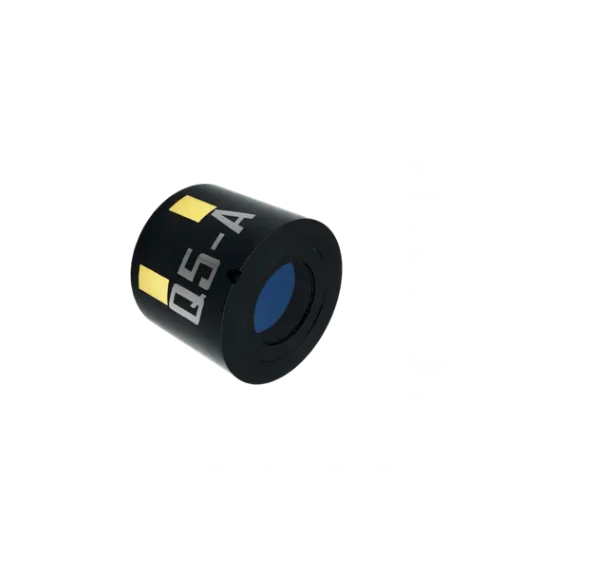
Selecting the right image intensifier tube depends heavily on the intended application. Whether for security systems, search-and-rescue missions, or outdoor exploration, each use case has different requirements for performance, sensitivity, and durability.
In security systems, where surveillance is conducted in both low-light and fully dark conditions, the need for reliable performance is paramount. Gen2+ tubes are often sufficient for general surveillance tasks, such as perimeter monitoring, but Gen3 tubes are more suitable for high-security applications where every detail matters and the environment is pitch black.
Search-and-rescue (SAR) missions require night vision devices that can perform in total darkness. Gen3 tubes, with their high sensitivity and clarity, are ideal for SAR applications. These tubes allow rescuers to see in near-total darkness, which is crucial for locating missing persons or navigating difficult terrain at night.
For outdoor exploration or wildlife observation, the choice of IIT depends on the level of detail required. Gen2+ tubes are often sufficient for general outdoor activities, such as camping or hiking, where the ambient light is moderate. However, for wildlife observation or exploring in extreme darkness, Gen3 tubes offer better clarity and sensitivity.
At QCNV, we specialize in the design and production of high-performance image intensifier tubes. Our products are crafted to meet the demands of a wide range of professional applications, from security systems to military operations. We offer both Gen2+ and Gen3 tubes, ensuring that our customers can find the right solution for their specific needs.
By sourcing directly from QCNV, you gain access to a manufacturer with decades of expertise in the field of night vision technology. We offer custom options and ensure strict quality control throughout the manufacturing process. Whether you're assembling monoculars for hunting or building complex binocular systems for security, our tubes are engineered for high performance and reliability.
Our image intensifier tubes are known for their superior performance, reliability, and cost-effectiveness. We offer a variety of configurations, including both Gen2+ and Gen3 tubes, to meet the diverse needs of our clients. Explore our range of products, which includes monoculars, binoculars, and quad-ocular panoramic night vision devices.
When it comes to purchasing an image intensifier tube, it's important to consider the specific requirements of your application. Whether you need a cost-effective solution for security surveillance or a high-performance tube for search-and-rescue operations, understanding the key performance metrics and features will help you make an informed decision. At QCNV, we are committed to providing our customers with the best optical solutions. Our image intensifier tubes are engineered to deliver superior performance, providing clear and reliable vision in low-light conditions.
For more information on our products or to discuss your specific requirements, contact us today. We look forward to helping you find the perfect solution for your night vision needs.
1. What’s the difference between Gen2+ and Gen3 image intensifier tubes?
Gen2+ tubes offer a good balance of performance and price, making them ideal for general surveillance. Gen3 tubes provide superior sensitivity, clarity, and image quality, especially in extreme low-light conditions.
2. How do image intensifier tubes work?
Image intensifier tubes work by converting available light into a visible image. The process involves three main components: the photocathode, microchannel plate (MCP), and phosphor screen.
3. What are the advantages of auto-gating technology?
Auto-gating technology adjusts the sensitivity of the tube in response to changing light levels, protecting it from sudden bright light sources and ensuring stable performance.
4. How do I know if Gen2+ or Gen3 is right for my needs?
For general surveillance or low-light environments, Gen2+ tubes are sufficient. For critical applications like search-and-rescue or military operations, Gen3 tubes offer the clarity and performance needed for maximum effectiveness.


