
Language
Views: 0 Author: Site Editor Publish Time: 2026-03-11 Origin: Site


Night vision goggles (NVGs) are advanced optical devices that provide users with the ability to see in low-light conditions, such as during nighttime or in dark environments. Whether you're using them for security surveillance, search-and-rescue (SAR) missions, or outdoor exploration, keeping your night vision goggles in optimal condition is essential for their longevity and effectiveness. Proper maintenance is key to ensuring that your NVGs continue to function at their best for years to come. This guide will walk you through some essential tips for maintaining your night vision goggles, from daily care to troubleshooting common issues.
Night vision goggles are an investment in both time and money, which is why it's essential to ensure their longevity and reliability. Routine maintenance not only preserves the performance of your NVGs but also extends their operational life, saving you money on repairs or replacements in the long run.
The effectiveness of night vision goggles depends heavily on the condition of their components, such as the lenses, image intensifier tubes (IIT), and other internal parts. Regular cleaning, proper handling, and timely maintenance prevent wear and tear, allowing the goggles to perform at their peak even in challenging environments.
Proper maintenance ensures that your night vision goggles provide clear, bright images in low-light conditions, which is crucial for critical tasks like security surveillance or rescue operations.
Just like any high-performance optical device, NVGs require care to ensure that they continue to function properly. Over time, neglecting maintenance can lead to reduced performance, which may affect their ability to operate in low-light situations. By following simple care instructions, you can extend the operational life of your night vision goggles, ensuring that they continue to serve you well for years.
Taking good care of your night vision goggles on a daily basis is crucial for ensuring their long-term functionality. Below are some basic yet important tasks to keep your NVGs in top condition.
One of the most essential daily maintenance tasks is cleaning the optics of your night vision goggles. Dust, dirt, and smudges can compromise the clarity of the image and affect the performance of your NVGs. Use a soft, lint-free cloth to gently wipe the lenses and eyepiece. Avoid using harsh cleaning agents, as these can damage the coatings on the lenses.
For more stubborn dirt or fingerprints, consider using lens cleaning solutions specifically designed for optical equipment. Always apply the solution to the cloth, not directly to the lens, to avoid damaging the sensitive surface.
Proper handling and storage are crucial for maintaining your night vision goggles. When not in use, store your NVGs in a protective case to shield them from physical damage, moisture, and dust. Avoid leaving the goggles exposed to harsh conditions, such as extreme temperatures or high humidity, as this can lead to damage of the internal components, particularly the image intensifier tube.
Additionally, handle your night vision goggles with care. Avoid dropping or subjecting them to rough handling, as this can cause misalignment of the optical components and may even cause irreparable damage.
Certain environmental factors can damage your night vision goggles if not properly managed. Understanding how to protect your NVGs from these conditions will help ensure their longevity.
Moisture and humidity can cause significant damage to night vision goggles. Exposure to high humidity can result in internal fogging, which obscures the image and can damage the image intensifier tube (IIT). Furthermore, moisture can lead to the growth of mold or corrosion, which can permanently damage the internal electronics.
To protect your NVGs from moisture, always store them in a dry place. Use silica gel packs in the storage case to help absorb any excess moisture. Avoid using your goggles in environments with high humidity, such as during rain or fog, unless they are specifically rated for such conditions.
Exposure to extreme temperatures, whether hot or cold, can negatively impact the performance of your night vision goggles. High temperatures can cause overheating, while cold temperatures can cause the internal components to freeze, affecting the operation of the optics and electronics.
When using your NVGs in extreme temperatures, allow the device to acclimate to the environment before use. If storing them in such conditions, make sure to allow them to return to a moderate temperature before turning them on.
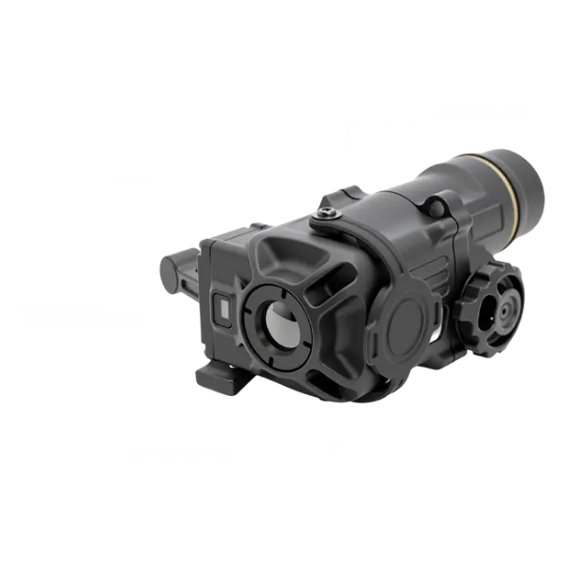
Maintaining your night vision goggles is essential throughout the year, and certain maintenance tasks are particularly important during different seasons. Here is a seasonal maintenance plan to help you stay on top of your NVG care:
Season | Check Items | Best Practices |
Winter | Lens fogging | Use dry storage, avoid sudden temperature changes |
Summer | Heat exposure | Store in shaded areas, use protective cases |
Year-Round | Battery life & power issues | Regularly check batteries, ensure proper charging and storage |
In cold weather, lens fogging can occur when moving from a warm environment to a cold one. To prevent this, store your night vision goggles in a dry, climate-controlled case. Allow the goggles to gradually acclimate to the temperature before use, especially when transitioning from indoors to outdoors.
Extreme heat can be damaging to your night vision goggles. Always store them in a shaded area or in a protective case when not in use. Avoid leaving your goggles in direct sunlight, as this can overheat the internal components, causing performance degradation.
Even with proper maintenance, issues can still arise with your night vision goggles. Here are some common problems you may encounter and their solutions.
Foggy lenses are a common issue, particularly in cold weather or when transitioning between environments with significant temperature differences. If you notice fogging, avoid wiping the lenses immediately, as this can scratch the surface. Instead, allow the goggles to acclimate to the surrounding temperature, and store them in a dry, warm location when not in use to prevent further fogging.
A dim display can be caused by several factors, including battery issues, a failing image intensifier tube, or dirt on the lenses. First, check the battery power and replace if necessary. If the display remains dim, inspect the lenses for dirt or smudges and clean them accordingly. If the problem persists, the image intensifier tube may need to be replaced or serviced.
Power issues can arise from faulty batteries or electrical connections. If your night vision goggles are not powering on or shutting off unexpectedly, first check the battery for charge. If the battery is fine, ensure the connections are secure and free from corrosion. If the problem continues, consult a professional for further troubleshooting.
Regular maintenance is essential to ensure that your night vision goggles continue to function properly, providing you with clear and reliable images in low-light conditions. From daily cleaning to seasonal care, following a proper maintenance routine will help extend the lifespan of your goggles and ensure they perform at their best when you need them most.
By understanding how to care for your NVGs and staying proactive with maintenance, you can keep your goggles in peak condition and ready for any mission. For more tips on maintaining your night vision goggles or for inquiries about our products, contact us today. Our team at QCNV is here to help you with any questions or concerns.
1. How often should I clean the lenses of my night vision goggles?
It’s a good practice to clean your night vision goggles lenses daily or after each use to ensure clear images and prevent dirt buildup.
2. Can moisture damage my night vision goggles?
Yes, moisture and high humidity can cause fogging and long-term damage, such as mold or corrosion. Always store your NVGs in a dry location.
3. Why is my night vision display dimming?
A dim display can result from low battery power, dirt on the lens, or a malfunctioning image intensifier tube. Start by checking the batteries and cleaning the lenses.
4. What should I do if my night vision goggles aren’t turning on?
Check the battery and ensure all electrical connections are secure. If the problem persists, it may require professional repair.


