
Language
Views: 0 Author: Site Editor Publish Time: 2026-04-29 Origin: Site


Operating under the cover of darkness demands absolute precision, unyielding reliability, and superior optical clarity. Modern tactical environments forgive very few mistakes. Transitioning from basic observation to complex tactical night operations requires much more than simply buying generic equipment. For law enforcement units, security professionals, and serious tactical users, incorrect equipment selection rapidly compromises situational awareness. Subpar gear creates severe physical fatigue during extended night missions. It also wastes critical departmental budget on systems fundamentally failing real-world operational realities.
This comprehensive guide cuts straight through confusing marketing hype to provide a structured, evidence-based purchasing framework. We establish this standard among top Night Vision Device Buying Guides by focusing on system architecture and field realities. You will learn exactly how to match internal component specifications directly to your unique tactical environment. We also expose dangerous procurement risks lurking in the secondary market. By following these principles, you ensure operational dominance safely and efficiently.
Think in Systems: A functional tactical setup requires evaluating three distinct components: the intensifier tube, the housing, and the mounting solution.
Configuration Dictates Application: Monoculars offer utility and weapon-mounting flexibility; binoculars provide the superior depth perception required for dynamic movement and driving.
Field of View is Critical: Standard systems offer a 40° Field of View (FOV), but modern tactical operations increasingly benefit from wider setups like a 50° Ultra-Wide Monocular Night Vision Goggle to reduce required head scanning.
Beware the Gray Market: The night vision industry is fraught with refurbished tubes sold as new and non-compliant export risks. Strict vendor vetting is mandatory.
Purchasing tactical optics is rarely a single-item transaction. You are essentially building a complex "Lego-style" system. Savvy buyers must evaluate each physical component entirely independently. A complete operational unit relies equally on its internal optical engine, its rugged protective shell, and its structural attachment hardware. Overlooking any single component degrades the entire system drastically.
The intensifier tube drives all core optical performance. You should skip Generation 1 models completely for serious tactical use. Generation 2 systems utilize microchannel plates to multiply incoming electrons efficiently. They form a highly capable baseline for budget-conscious professionals navigating urban environments. Generation 3 systems employ an advanced gallium arsenide photocathode. They represent the current elite military standard for extreme low-light environments. These premium tubes easily exceed 10,000 hours of continuous operational longevity.
Buyers must also choose carefully between thin-filmed and filmless architectures. Filmless tubes offer remarkably superior low-light performance across the board. They produce noticeably smaller light halos around bright urban light sources. However, they command a significant price premium over standard thin-filmed options. Finally, you must consider your phosphor screen color preferences. White Phosphor (WP) provides higher contrast images naturally. It drastically reduces ocular eye fatigue during extended multi-hour operations. Green Phosphor (GP) remains a highly viable, deeply cost-effective alternative for shorter missions.
The outer polymer housing dictates overall device weight and weatherproofing capabilities. Genuine tactical gear must guarantee strict MIL-STD-810 compliance for rugged environmental survival. This standard ensures resistance against harsh drops, sudden submersion, and extreme temperature shifts. Housings also determine your specific battery type and total usage duration.
Assess structural modularity deeply before finalizing a purchase. Traditional PVS-14 housings offer incredible single-tube versatility for various mission profiles. Conversely, dedicated dual-tube housings provide superior structural rigidity for binocular configurations. Some articulating housings even allow users to rotate individual optical pods up and out of their direct sightline.
A high-end optical tube becomes entirely useless if it wobbles unsecured on your head. You must evaluate helmet shrouds, mechanical flip-mounts, and mounting J-Arms very carefully. Quality aerospace-grade metal components prevent hazardous hardware failures during active dynamic movement. Look for secure dovetail mounting interfaces over older bayonet styles for improved lockup.
Failing to budget appropriately for helmet counterweights introduces severe implementation risks. Unbalanced, excessively front-heavy helmets lead directly to severe neck strain during extended wear. Operators often deploy retention lanyards as a final fail-safe. These simple elastic cords prevent expensive optics from hitting the concrete during catastrophic mount failures.
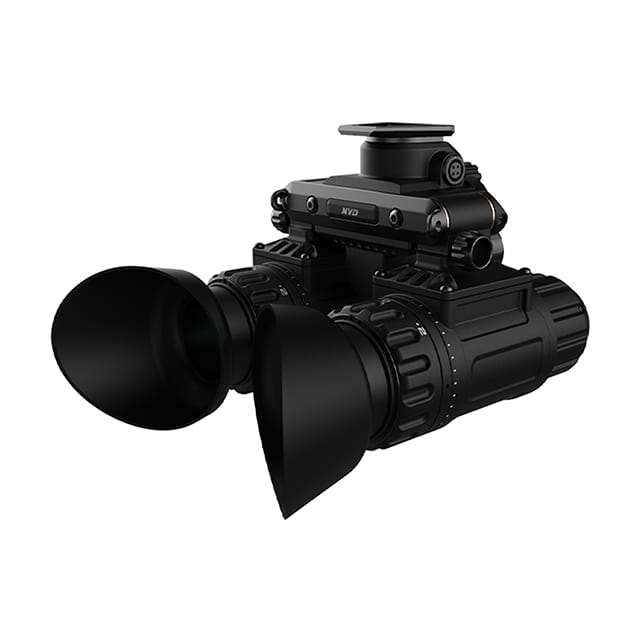
You must align your physical form factor directly to your primary operational environment. Static observation duties demand entirely different equipment than dynamic room clearing operations. Understanding these specific functional differences ensures maximum operator safety and peak tactical efficiency.
Single-tube setups offer incredible operational versatility for general patrol and static observation. They weigh significantly less than bulkier dual-tube systems. Operators retain their natural peripheral vision in one unaided eye constantly. You can also transition these units easily between standard helmet mounts and weapon-mounted night vision scope attachments.
However, monoculars introduce specific physiological challenges. They can cause temporary cognitive strain quickly. Your brain struggles processing one dark image and one artificially lit image simultaneously. They also provide remarkably poor stereoscopic depth perception. This limitation makes fast dynamic movement, like navigating stairs or uneven forest terrain, notably dangerous.
Binocular configurations thoroughly dominate modern dynamic tactical operations today. They deliver a true, natural stereoscopic image directly to both eyes simultaneously. This vital natural depth perception proves absolutely critical for driving vehicles safely in the dark. It is equally essential for executing rapid CQB (Close Quarters Battle) and navigating treacherous, uneven terrain.
The major drawback involves overall physical weight and increased cost. Dual-tube setups often weigh between 1.0 to 1.5 pounds on the front of the helmet. They require rigorous neck conditioning and incredibly precise helmet balancing to avoid severe cervical fatigue. They also represent a substantially larger upfront financial investment.
Digital setups utilize modern CMOS sensors instead of analog intensifier tubes. They capture full-color video seamlessly to onboard memory cards. They remain completely immune to sudden, catastrophic light damage from lasers or the sun. These features make them highly attractive to casual hobbyists.
However, current digital systems suffer heavily from processing latency. They exhibit noticeable visual lag during rapid panning or fast walking. They also deliver significantly lower light amplification than true analog Gen 2 or Gen 3 systems. They rely almost entirely on active infrared illuminators to see in total darkness. These severe tactical limitations make them largely unsuitable for fast-paced, stealthy tactical navigation.
You must look directly past glossy marketing claims to find real performance data. Specific technical data points dictate your operational survival and mission effectiveness absolutely. Always review factory specification sheets thoroughly before finalizing any expensive hardware purchase.
A narrow Field of View creates dangerous "tunnel vision" effects in dark, threatening environments. Standard optical systems generally offer a 40° FOV baseline. Upgrading your optics provides massive tactical advantages during complex operations. A 50° Ultra-Wide Monocular Night Vision Goggle increases peripheral awareness by roughly 25%. This critical expansion drastically reduces your need for constant, fatiguing head-sweeping side to side. It allows operators to spot peripheral threats fractions of a second faster.
Autogating technology remains absolutely non-negotiable for modern urban tactical environments. The system acts as a rapid, imperceptible automatic dimmer switch. It cycles power incredibly fast to protect the intensifier tube from sudden bright flashes. This feature maintains crystal-clear image resolution despite streetlights, harsh flashlights, or sudden weapon muzzle flash. Without autogating, these sudden light spikes would temporarily blind the operator.
Fixed brightness settings often wash out targets entirely in transitioning ambient light environments. Manual gain control solves this specific visual issue completely. It allows the operator to manually adjust raw image brightness levels instantly via a dial. This control prevents dangerous screen "white-out" when moving from pitch-black alleys into partially lit industrial rooms.
Tactical wearable optics must remain strictly at 1x native magnification always. Navigating on foot using magnified optics causes immediate and severe spatial disorientation. It creates massive physical safety hazards around descending stairs, rocky ground, and tight doorways. Save magnified lenses strictly for dedicated, weapon-mounted observation systems utilized from stationary prone positions.
Feature Set | Standard Urban Tactical | Rural / Deep Woods Navigation |
|---|---|---|
Minimum Generation | High-Spec Gen 2+ or Gen 3 | Gen 3 (High SNR Required) |
Autogating Requirement | Absolutely Mandatory | Optional but Highly Recommended |
Ideal Field of View (FOV) | 50° Ultra-Wide Preferred | 40° Standard to 50° |
Magnification Limit | 1x Native Only | 1x Native Only |
Purchasing advanced tactical optoelectronics involves navigating highly complex international legal landscapes. Ignoring strict compliance laws leads directly to painful procurement delays or severe federal legal penalties. You must understand your legal standing thoroughly before sending funds to any equipment dealer.
For United States buyers, the International Traffic in Arms Regulations (ITAR) control high-end hardware strictly. Generation 3 devices and high-specification Generation 2 devices fall heavily under these federal regulations. You cannot export these advanced systems legally under any circumstances. You also cannot allow non-US citizens access to look through ITAR-restricted hardware without explicit State Department authorization.
International buyers and specific commercial users have strong alternative options available legally. Lower-specification Gen 2+ tubes offer excellent legal compliance across many international borders. Systems utilizing the rugged MUM-14 style housing provide exceptional utility globally. High-end digital variants also bypass complex ITAR restrictions entirely. These smart alternatives deliver solid legal compliance while preserving necessary tactical utility for global operators.
You must evaluate the secondary and commercial optics market through a highly skeptical lens. Scams, misleading terminology, and misrepresented products flood internet marketplaces daily. We strongly advise taking specific protective steps before buying Night Vision Goggles from unknown online vendors.
If a Generation 3 system costs thousands of dollars below current market value, stop immediately. These unbelievable "screaming deals" frequently utilize heavily blemished intensifier tubes. Dishonest sellers often hide refurbished or end-of-life military surplus hardware inside shiny new plastic shells. If a price seems too good, the internal hardware is almost certainly compromised.
Reputable dealers always provide an official factory data sheet with new units. This sheet displays exact, tested performance metrics for your specific internal tube. You must verify the Signal-to-Noise Ratio (SNR), Center Resolution, and Halo size personally. Refuse to buy "blind" tubes lacking documented, traceable manufacturer specifications.
Counterfeit housings made from brittle commercial plastics remain rampant across sketchy online stores. These fake polymer shells shatter easily upon minor physical impact. Verify your vendor utilizes genuine mil-spec polymer housings exclusively for all builds. You should also demand a minimum three-to-five-year structural warranty on all complete system builds. Ensure they handle warranty claims domestically rather than shipping units overseas for repairs.
Selecting reliable tactical optics requires a methodical, step-by-step analytical approach. You must base your final decision heavily on your specific operational environment and anticipated movement profile.
Follow these essential action steps to finalize your tactical optics configuration intelligently:
Define your strict budget limit: Always reserve roughly 20% of your total funds specifically for high-quality helmet mounts, shrouds, and counterweights.
Shortlist based on movement: If you perform static observation on a strict budget, start looking at high-quality Gen 2+ monoculars. If you conduct dynamic entry, driving, or rigorous tactical movement constantly, a binocular setup becomes absolutely mandatory.
Determine technical requirements: Identify your necessary FOV parameters and preferred phosphor color based on typical mission duration and terrain.
Verify vendor credibility: Request exact tube spec sheets from authorized, compliance-aware dealers prior to sending payment.
A: A faint, high-frequency hum is entirely normal in military-grade tubes. It is the sound of the autogating power supply rapidly switching on and off. This internal electrical cycling protects the unit from variable bright light sources while maintaining image clarity.
A: They serve completely different operational purposes. Thermal excels at detecting body heat hidden behind dense camouflage. However, thermal cannot see through glass and struggles to display intricate environmental details. NVGs remain significantly superior for active foot navigation and positive target identification.
A: A modern Generation 3 tube boasts a lifespan exceeding 10,000 hours of continuous use. However, the physical housing and battery compartments require regular preventative maintenance. You must also remove all batteries during storage to prevent catastrophic corrosive leaks.


